Showing posts with label Social 20-1 Unit 2 Dossier Assignment. Show all posts

Wednesday, May 15, 2019

May 15


I had you read the section in your coursebooks on the "Modern History of China", and then I showed you a couple of videos from the BBC 20th Century History series: "One Man's Revolution" and "China Since Mao". You had some time to work on your Chapter 9 Key Terms and Questions (these are due on Tuesday, May 21st). Don't forget that your USA-Canada Comparative Government Assignment is due tomorrow. You're writing the Unit 3 position paper on Wednesday, May 22nd in the Blenheim Room. Some of you may be missing this class due to the PE 30 camping trip, if so, you will have to write it when you get back from the trip.


I went through a lecture on "Canada's Foreign Policy" today. You have a hard copy in your Social 20-1 coursebooks and digitally on the wiki on the Unit 3 Presentations page. You were supposed to hand in your Unit 2 Dossier Assignment today as well. Your Chapter 10 Key Terms and Questions are due Tuesday, May 21st.  You're writing your Unit 3 position paper on Thursday, May 23rd in the Blenheim Room.


Monday, May 13, 2019

May 13

I gave you time to work on your Chapter 9 Key Terms and Questions today (they are due on Thursday). 

You will be writing the Unit 2 Final Exam tomorrow. You can find the study guide for this exam below. Don't forget that your Unit 2 Dossier Assignment is due on Wednesday, May 15th. 


1. Study the following PowerPoint presentations from Unit 2:
  • The Causes of World War I
  • Total War-Allied Victory in WWI-Paris Peace Conference
  • Ultranationalism in WWII: Italy, Japan, Germany
  • The Internment of Japanese-Canadians in WWII
  • The Holocaust
  • Eight Stages of Genocide (from the Genocide Watch website)
  • Contemporary Examples of Genocide

2. Study the following key terms, concepts:
  • national interest
  • domestic policy
  • foreign policy
  • Triple Alliance
  • Triple Entente
  • Treaty of Versailles
  • Big Four (Woodrow Wilson, David Lloyd George, Georges Clemenceau, Vittorio Orlando)
  • appeasement
  • ultranationalism
  • propaganda
  • conscription crisis
  • Adolf Hitler
  • Nazis
  • Hirohito
  • Tojo
  • Kristallnacht
  • The Way of Subjects
  • League of Nations
  • total war
  • internment
  • War Measures Act
  • Great Depression
  • the Great East Asia Co-Prosperity Sphere
  • irredentism
  • genocide
  • crimes against humanity
  • war crimes
  • Holocaust
  • ethnic cleansing
  • lebensraum
  • Weimar Republic
  • Final Solution
  • decolonization
  • successor state
  • self-determination

3. Make sure that you review the following broad topics in your review of Unit 2 (and make sure that you can answer ALL of the questions on the Unit 2 Worksheet):
  • World War I (don't concern yourself with memorizing battles though)
  • Paris Peace Conference and the Treaty of Versailles
  • The Interwar Years
  • Rise of ultranationalism in Germany, Japan, and Italy
  • Causes of World War II and key events (turning points in the war)
  • The Holocaust
  • Contemporary examples of genocide (review case studies that were emphasized in class and in the textbook, review your notes for "Scream Bloody Murder", "Shake Hands with the Devil")
  • Decolonization and self-determination (what are successor states? What is self-determination?)


We continued Unit 3 material today. We went through the electoral college system (and we watched a couple of YouTube videos on the subject). We also talked about gerrymandering. One of the key concepts that I want you to connect to these two topics (electoral college and gerrymandering) is the will of the people. Is the will of the people reflected in the outcome of elections that use the electoral college system and have gerrymandered districts? Couple these concepts with super PACS and "dark money" and you have some interesting criticisms of the American political system. Your Chapter 10 Key Terms and Questions are due on tomorrow. Your USA-Canada Comparative Government Assignment is due on Thursday, May 16th. You can work by yourself, or with a partner (no groups of three!). 


Friday, May 10, 2019

May 10

We finished off "Nations, Nation-States and Internationalism" today. 

On Tuesday, May 14th you will be writing the Unit 2 Final Exam. You can find the study guide for this exam below. Don't forget that your Unit 2 Dossier Assignment is due on Wednesday, May 15th. 


1. Study the following PowerPoint presentations from Unit 2:
  • The Causes of World War I
  • Total War-Allied Victory in WWI-Paris Peace Conference
  • Ultranationalism in WWII: Italy, Japan, Germany
  • The Internment of Japanese-Canadians in WWII
  • The Holocaust
  • Eight Stages of Genocide (from the Genocide Watch website)
  • Contemporary Examples of Genocide

2. Study the following key terms, concepts:
  • national interest
  • domestic policy
  • foreign policy
  • Triple Alliance
  • Triple Entente
  • Treaty of Versailles
  • Big Four (Woodrow Wilson, David Lloyd George, Georges Clemenceau, Vittorio Orlando)
  • appeasement
  • ultranationalism
  • propaganda
  • conscription crisis
  • Adolf Hitler
  • Nazis
  • Hirohito
  • Tojo
  • Kristallnacht
  • The Way of Subjects
  • League of Nations
  • total war
  • internment
  • War Measures Act
  • Great Depression
  • the Great East Asia Co-Prosperity Sphere
  • irredentism
  • genocide
  • crimes against humanity
  • war crimes
  • Holocaust
  • ethnic cleansing
  • lebensraum
  • Weimar Republic
  • Final Solution
  • decolonization
  • successor state
  • self-determination

3. Make sure that you review the following broad topics in your review of Unit 2 (and make sure that you can answer ALL of the questions on the Unit 2 Worksheet):
  • World War I (don't concern yourself with memorizing battles though)
  • Paris Peace Conference and the Treaty of Versailles
  • The Interwar Years
  • Rise of ultranationalism in Germany, Japan, and Italy
  • Causes of World War II and key events (turning points in the war)
  • The Holocaust
  • Contemporary examples of genocide (review case studies that were emphasized in class and in the textbook, review your notes for "Scream Bloody Murder", "Shake Hands with the Devil")
  • Decolonization and self-determination (what are successor states? What is self-determination?)


We continued Unit 3 material today. We re-cast the 2015 Canadian federal election and looked at what impact adopting proportional representation would have had on the outcome.We also looked at the structure of the American government as well. Your Chapter 10 Key Terms and Questions are due on Tuesday. I think I may have misspoke with the Period 3 class, so make sure you do Chapter 10! 

Thursday, May 09, 2019

May 9


 We continued Unit 3 material today. We looked at a lot of key concepts related to government, and we looked at the structure of the Canadian federal government. We'll continue talking about proportional representation tomorrow, and we'll look at the structure of the American political system as well.  

I gave you back the Unit 2 WRA I three source interpretation assignments that you did for me a couple of weeks ago. I have marked your Chapter 7-8 Test and posted the results on PowerSchool already. We started Unit 3 material today. The value conflict in Unit 3 is nationalism vs. internationalism, and the key questions are to what extent should we embrace internationalism? and to what extent should nations pursue international interests? I started a lecture today called "Nations, Nation-States and Internationalism", which I'll hopefully finish off tomorrow. 

On Tuesday, May 14th you will be writing the Unit 2 Final Exam. You can find the study guide for this exam below. Don't forget that your Unit 2 Dossier Assignment is due on Wednesday, May 15th. 


1. Study the following PowerPoint presentations from Unit 2:
  • The Causes of World War I
  • Total War-Allied Victory in WWI-Paris Peace Conference
  • Ultranationalism in WWII: Italy, Japan, Germany
  • The Internment of Japanese-Canadians in WWII
  • The Holocaust
  • Eight Stages of Genocide (from the Genocide Watch website)
  • Contemporary Examples of Genocide

2. Study the following key terms, concepts:
  • national interest
  • domestic policy
  • foreign policy
  • Triple Alliance
  • Triple Entente
  • Treaty of Versailles
  • Big Four (Woodrow Wilson, David Lloyd George, Georges Clemenceau, Vittorio Orlando)
  • appeasement
  • ultranationalism
  • propaganda
  • conscription crisis
  • Adolf Hitler
  • Nazis
  • Hirohito
  • Tojo
  • Kristallnacht
  • The Way of Subjects
  • League of Nations
  • total war
  • internment
  • War Measures Act
  • Great Depression
  • the Great East Asia Co-Prosperity Sphere
  • irredentism
  • genocide
  • crimes against humanity
  • war crimes
  • Holocaust
  • ethnic cleansing
  • lebensraum
  • Weimar Republic
  • Final Solution
  • decolonization
  • successor state
  • self-determination

3. Make sure that you review the following broad topics in your review of Unit 2 (and make sure that you can answer ALL of the questions on the Unit 2 Worksheet):
  • World War I (don't concern yourself with memorizing battles though)
  • Paris Peace Conference and the Treaty of Versailles
  • The Interwar Years
  • Rise of ultranationalism in Germany, Japan, and Italy
  • Causes of World War II and key events (turning points in the war)
  • The Holocaust
  • Contemporary examples of genocide (review case studies that were emphasized in class and in the textbook, review your notes for "Scream Bloody Murder", "Shake Hands with the Devil")
  • Decolonization and self-determination (what are successor states? What is self-determination?)

Wednesday, May 08, 2019

May 8


You wrote the Unit 2 Final Exam today. If you missed class today, you need to see me ASAP to schedule a time when you will write this exam. We'll continue Unit 3 material tomorrow.

You wrote the Chapter 7-8 Test today. Hopefully, I will be able to get you back the results this week. On Tuesday, May 14th you will be writing the Unit 2 Final Exam. You can find the study guide for this exam below. Don't forget that your Unit 2 Dossier Assignment is due on Wednesday, May 15th.


1. Study the following PowerPoint presentations from Unit 2:
  • The Causes of World War I
  • Total War-Allied Victory in WWI-Paris Peace Conference
  • Ultranationalism in WWII: Italy, Japan, Germany
  • The Internment of Japanese-Canadians in WWII
  • The Holocaust
  • Eight Stages of Genocide (from the Genocide Watch website)
  • Contemporary Examples of Genocide

2. Study the following key terms, concepts:
  • national interest
  • domestic policy
  • foreign policy
  • Triple Alliance
  • Triple Entente
  • Treaty of Versailles
  • Big Four (Woodrow Wilson, David Lloyd George, Georges Clemenceau, Vittorio Orlando)
  • appeasement
  • ultranationalism
  • propaganda
  • conscription crisis
  • Adolf Hitler
  • Nazis
  • Hirohito
  • Tojo
  • Kristallnacht
  • The Way of Subjects
  • League of Nations
  • total war
  • internment
  • War Measures Act
  • Great Depression
  • the Great East Asia Co-Prosperity Sphere
  • irredentism
  • genocide
  • crimes against humanity
  • war crimes
  • Holocaust
  • ethnic cleansing
  • lebensraum
  • Weimar Republic
  • Final Solution
  • decolonization
  • successor state
  • self-determination

3. Make sure that you review the following broad topics in your review of Unit 2 (and make sure that you can answer ALL of the questions on the Unit 2 Worksheet):
  • World War I (don't concern yourself with memorizing battles though)
  • Paris Peace Conference and the Treaty of Versailles
  • The Interwar Years
  • Rise of ultranationalism in Germany, Japan, and Italy
  • Causes of World War II and key events (turning points in the war)
  • The Holocaust
  • Contemporary examples of genocide (review case studies that were emphasized in class and in the textbook, review your notes for "Scream Bloody Murder", "Shake Hands with the Devil")
  • Decolonization and self-determination (what are successor states? What is self-determination?)

Tuesday, May 07, 2019

May 7


You wrote the Unit 2 WRA II Essay (position paper) today. Your Chapter 7-8 Test is tomorrow,  Wednesday, May 8th (please see the study guide below). Your Unit 2 Dossier Assignment is due on Wednesday, May 15th. 


This test is on Wednesday, May 8th. It will consist of 20-24 key terms in a matching section, and 3-4 short answer questions. Please study the following PowerPoint presentations:
  • "The Holocaust" (this is posted on the wiki)
  • "8 Stages of Genocide" (it's also posted on the wiki)
  • "Contemporary Examples of Genocide" (this is posted on the wiki)

Please study the following notes packages/film study packages:
  • 36 Questions About The Holocaust  
  • White Light/Black Rain (film notes)
  • Shake Hands with the Devil (film notes + package)
  • Unit 2 Worksheet (chapter questions for Chapter 7 and 8)
  • make sure that you have read Chapters 7 and 8!

1. Please study the following key concepts/key people/key events:
genocide:

  • crimes against humanity
  • war crimes
  • the Holocaust
  • ethnic cleansing
  • lebensraum
  • Weimar Republic
  • Final Solution
  • decolonization
  • successor state
  • self-determination
  • Wansee Conference
  • Nuremberg Trials
  • Hutu
  • Tutsi
  • Romeo Dallaire
  • Manhattan Project
  • Hiroshima
  • Nagasaki
  • Robert Oppenheimer
  • FDR
  • Harry Truman
  • Potsdam Conference
  • Slobodan Milosevic


2. You should be able to answer any of the questions from the Unit 2 worksheet on Chapter 7 or 8.


We started Unit 3 material today. I covered the following articles in your Social 30-1 course books: Democratic Systems (backside of page 227 to 231) and Types of Democratic Systems (pages 232-234). We'll continue this work on Thursday. Don't forget that you have your Unit 2 Final Exam tomorrow. Please see the study guide below. 


The Unit 2 Final Exam is on Wednesday, May 8th. It will be a 70-75 multiple choice question test. I will reduce the number of questions on the test. In your textbook, this is material from Chapters 3-8. Please look at the studying hints below:

  • study "The Development of Classical Liberalism" (ppt)
  • study "Responding to Classical Liberalism" (ppt)
  • study "The Evolution of Modern Liberalism" (ppt)
  • study "The Techniques of Dictatorship" (ppt)
  • study "20th Century Rejections of Modern Liberalism" (ppt)
  • study "The Origins of the Cold War" (ppt)
  • study the key concepts from the Chapters 3-8 worksheets
  • please see the summary notes from the Ideologies textbook: Chapter 7 (Private Enterprise)
  • supply-side economics
  • boom and bust cycle/business cycle
  • laws of supply and demand, Adam Smith, invisible hand, market forces
    self-interest, consumer sovereignty, competition, private ownership, profit motive
  • basic economic problems/questions
  • advantages/disadvantages of the market economy
  • causes of the Great Depression
  • FDR and the New Deal 
  • please see summary notes from the Ideologies textbook on the Mixed Economy Case Studies #14 (Sweden) and #15 (Canada), #16 (Japan), #17 (Fascism and Nazism)
  • also see the Democratic Socialism booklet on Sweden (indicative planning, "cradle to the grave" economics)
  • characteristics of a mixed economy
  • nationalization
  • privatization
  • democratic socialism
  • welfare capitalism
  • Keynesian economics
  • the business cycle and fiscal and monetary policies (study all of the notes I gave you and the booklet that I gave you)
  • demand-side economics
  • neo-conservatives
  • monetarism
  • trickle down economics
  • supply-side economics
  • Thatcherism and Reaganomics
  • Milton Friedman
  • Friedrich Hayek
  • how Keynesian economics deals with a recession (remember "the percolator": increase circulation of money reducing taxes, increase government spending on "make work" projects, and reduce interest rates, which according to Keynesian economics is going increase demand for goods and services and lead to more money circulating in the economy)
  • how supply-side economics deals with a recession (remember "trickle down coffee maker": government should stimulate the goods and services sector of the economy by reducing corporate and personal taxes, eventually benefits will "trickle down" to the middle class and working class, make connections between supply-side economics and laissez faire economics/classical liberalism)
  • advantages and disadvantages of a mixed economy
  • neo-conservative criticism of government intervention
  • characteristics of a centrally planned economy
  • advantages and disadvantages of a centrally planned economy
  • Marx notes (sent by e-mail)
  • Lenin notes (sent by e-mail)
  • establishment of the Soviet Union
  • Soviet economic system (top-down decision-making process)
  • Lenin's War Communism and the New Economic Policy
  • "Stalin and the Modernization of Russia" (see film notes)
  • Stalin notes (sent by e-mail)
  • "Changes to Soviet Society After Stalin" notes (this bridges the gap between Stalin and Gorbachev)
  • Gorbachev to Collapse Notes
  • Economic Planning in the USSR booklet
  • techniques of dictatorships (USSR and Nazi Germany case studies)
  • modern liberalism
  • features of the Nazi state
  • Hitler's rise to power
  • Characteristics of Democracy
  • Characteristics of Dictatorship
  • Democratic Systems notes
  • Non-Democratic Systems notes
  • Types of Dictatorships notes (includes Techniques of Dictatorships as well)
  • A Comparison of Communism and Fascism notes
  • Totalitarianism notes
  • Fascism/Nazism booklet (has techniques of dictatorship in Nazi Germany and USSR)
  • do a brief review of the political spectrum and economic spectrum and the quadrant model

Monday, April 29, 2019

April 29


You had a research period in the library today for your Unit 2 Dossier Assignment, hopefully you were able to find some resources/books on your topic. Your Chapter 8 Key Terms and Questions are due on Friday, May 3rd. You will be writing your Unit 2 WRA I on Tuesday, April 30th. You won't be allowed to have the WRA I writing guide out when you write it, so you need to memorize the steps. 


We finished watching "Good Night, and Good Luck" today in class. Don't forget that you have the Unit 2 WRA II Essay on Monday, May 6th and the Chapter 7 Test on Wednesday, May 1st. I will post the study guide for the Unit 2 Final Exam this Wednesday, that test is on May 8th. 

It is a multiple choice test with 70-75 multiple choice questions, but with all of the omitted questions, it will be closer to 60 questions. Please make sure that you have read Chapter 7. Here are some other study tips:


  • study "The Origins of the Cold War (ppt)"
  • study all notes on the Origins and Causes of the Cold War
  • study notes on the Korean War
  • study notes on the Cuban Missile Crisis
  • study notes on the Vietnam War (see notes package and Vietnam War booklet, and the notes that I sent to you on the Vietnam War)
  • make sure that you know all the Cold War Concepts (deterrence, detente, brinkmanship, etc.)
  • know the chronology of events of the Cold War (study the Cold War timeline)
  • know key events that we've emphasized in class (for example: Berlin Airlift, Korean War, Cuban Missile Crisis, Vietnam War) plus other key events from the timeline
  • know major arms reduction agreements (bilateral agreements and multilateral agreements)
  • know about the formation of alliances (NATO, Warsaw Pact) and the formation of "spheres of influence" (Eastern Europe for example)
  • anything that I gave you as a handout in your Social 30-1 coursebooks is testable material and should be reviewed!!
  • know how the Cold War ends and its results/consequences

Tuesday, May 08, 2018

May 8


You have the Paper 3 (History of the Americas) tomorrow, 3 essays in 150 minutes. Fun!

Here's the class schedule for the next few weeks: 

  • No classes on Monday-Wednesday (May 7th to 9th) due to IB Exams (English, History and Math HL exams)
  • Thursday, May 10th and Friday, May 11th we have classes
  • We have class on Monday, May 14th
  • No classes on Tuesday-Thursday (May 15th-17th) due to IB Exams 
  • Friday, May 18th PD Day (no classes) but there's IB Exams
  • Monday, May 21st is Victoria Day (there may be IB Exams, check your schedule)
  • Tuesday, May 22nd everybody should back to class. 


You wrote your Chapter 7-8 Test today. If you missed class today, you'll have to write the test tomorrow. You can find the Unit 2 Final Exam study guide below.


This exam consists of 75 multiple choice questions, and it will be on Monday, May 14th. 

1. Study the following PowerPoint presentations from Unit 2:
  • The Causes of World War I
  • Total War-Allied Victory in WWI-Paris Peace Conference
  • Ultranationalism in WWII: Italy, Japan, Germany
  • The Internment of Japanese-Canadians in WWII
  • The Holocaust
  • Eight Stages of Genocide (from the Genocide Watch website)
  • Contemporary Examples of Genocide

2. Know the following key concepts:
  • national interest
  • domestic policy
  • foreign policy
  • Triple Alliance
  • Triple Entente
  • Treaty of Versailles
  • Big Four (Woodrow Wilson, David Lloyd George, Georges Clemenceau, Vittorio Orlando)
  • appeasement
  • ultranationalism
  • propaganda
  • conscription crisis
  • Adolf Hitler
  • Nazis
  • Hirohito
  • Tojo
  • Kristallnacht
  • The Way of Subjects
  • League of Nations
  • total war
  • internment
  • War Measures Act
  • Great Depression
  • the Great East Asia Co-Prosperity Sphere
  • irredentism
  • genocide
  • crimes against humanity
  • war crimes
  • Holocaust
  • ethnic cleansing
  • lebensraum
  • Weimar Republic
  • Final Solution
  • decolonization
  • successor state
  • self-determination

3. Make sure that you review the following broad topics in your review of Unit 2 (and make sure that you can answer ALL of the questions on the Unit 2 Worksheet):
  • World War I (don't concern yourself with memorizing battles though)
  • Paris Peace Conference and the Treaty of Versailles
  • The Interwar Years
  • Rise of ultranationalism in Germany, Japan, and Italy
  • Causes of World War II and key events (turning points in the war)
  • The Holocaust
  • Contemporary examples of genocide (review case studies that were emphasized in class and in the textbook, review your notes for "Scream Bloody Murder", "Shake Hands with the Devil")
  • Decolonization and self-determination (what are successor states? What is self-determination?)


I started a lecture today on "Globalization and Sustainability" which I will chip away at for the next couple of days. I also gave you a sample Unit 3 WRA I to try to analyze in the last 30 minutes of class.


Friday, April 28, 2017

April 28


We finished watching "Shake Hands with the Devil" today. Please remember that your Unit 2 Dossier Assignment is due on Monday, May 1st. You are writing a Unit 2 WRA I on Thursday, May 4th.


We continued watching "The Corporation" today. We'll finish watching it on Monday. You are writing your Chapter 10-11 Test on Thursday, May 4th, please see the study guide below.


Please make sure that you review Chapters 10 and 11. Please review your answers to questions/activities from your Unit 3 worksheet, as well as the key terms (from Chapter 10-11 and from the PowerPoint presentations). This test is on Thurssday, May 4th. 

Please review the following two PowerPoint presentations:

  • "Foundations of Economic Globalization"
  • "Expansion of Economic Globalization"

You should know these key terms really well:
  • Bretton Woods Agreement
  • international monetary system
  • fixed exchange rate
  • gold standard
  • floating exchange rate
  • World Bank
  • International Monetary Fund (IMF)
  • centrally planned economy
  • free market economy
  • recession
  • John Maynard Keynes
  • Friedrich Hayek
  • Milton Friedman
  • totalitarian
  • General Agreement on Tariffs and Trade (GATT)
  • tariff
  • World Trade Organization (WTO)
  • Free Trade Agreement (FTA)
  • North American Free Trade Agreement (NAFTA)
You should also be able to answer the following questions:
  • What is economic globalization?
  • How did 20th century world events shape contemporary economic globalization?
  • What factors laid the foundations of contemporary global economics?
  • What were the major global institutions that were created at the Bretton Woods Agreement?
  • What are the major differences between the ideas of John Maynard Keynes and Friedrich Hayek?
  • What factors contribute to expanding globalization?
  • How do international agreements and organizations contribute to expanding globalization?
  • How do transnational corporations contribute to expanding globalization?
  • How do communication technologies contribute to expanding globalization?
  • What are the benefits of the WTO system?
  • What are some criticisms of the WTO?

Thursday, April 27, 2017

April 27


We finished off the film study of "Life + Debt" today, and proceeded right into our film study of "The Corporation". I will spread this documentary out over three classes. One week from today you are writing your Chapter 10-11 Test, please see the study guide below. Your Chapter 12 Key Terms and Questions are due tomorrow.


Please make sure that you review Chapters 10 and 11. Please review your answers to questions/activities from your Unit 3 worksheet, as well as the key terms (from Chapter 10-11 and from the PowerPoint presentations). This test is on Thurssday, May 4th. 

Please review the following two PowerPoint presentations:

  • "Foundations of Economic Globalization"
  • "Expansion of Economic Globalization"

You should know these key terms really well:
  • Bretton Woods Agreement
  • international monetary system
  • fixed exchange rate
  • gold standard
  • floating exchange rate
  • World Bank
  • International Monetary Fund (IMF)
  • centrally planned economy
  • free market economy
  • recession
  • John Maynard Keynes
  • Friedrich Hayek
  • Milton Friedman
  • totalitarian
  • General Agreement on Tariffs and Trade (GATT)
  • tariff
  • World Trade Organization (WTO)
  • Free Trade Agreement (FTA)
  • North American Free Trade Agreement (NAFTA)
You should also be able to answer the following questions:
  • What is economic globalization?
  • How did 20th century world events shape contemporary economic globalization?
  • What factors laid the foundations of contemporary global economics?
  • What were the major global institutions that were created at the Bretton Woods Agreement?
  • What are the major differences between the ideas of John Maynard Keynes and Friedrich Hayek?
  • What factors contribute to expanding globalization?
  • How do international agreements and organizations contribute to expanding globalization?
  • How do transnational corporations contribute to expanding globalization?
  • How do communication technologies contribute to expanding globalization?
  • What are the benefits of the WTO system?
  • What are some criticisms of the WTO?


We started our film study of "Shake Hands with the Devil" today, and we should be able to finish it up tomorrow. Please remember that your Unit 2 Dossier Assignment is due on Monday, May 1st. Please see the post below on citing images (it's using APA, but you can adapt it to the citation system that you're using). One week from today (Thursday, May 4th), you are writing a Unit 2 WRA I.

This should help Social 20-1 students who are working on their Unit 2 Dossier Assignments. Of course, if you use Chicago or MLA, the citations may look different. 


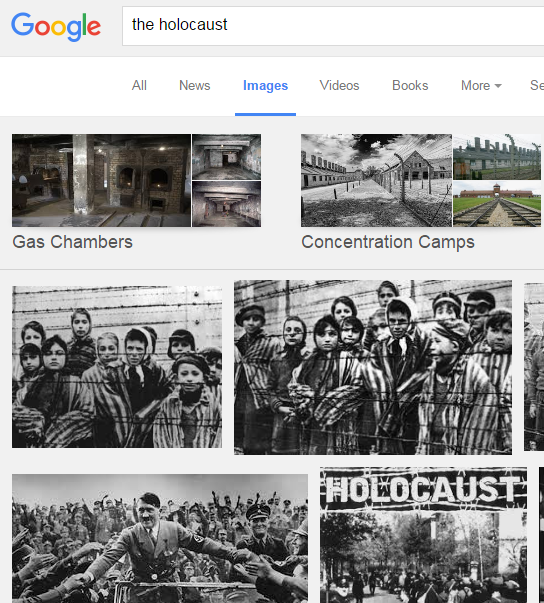
Most of you will probably use Google for your image search. Just type in your image search term. I typed in The Holocaust. 


A bunch of different images will pop up. Just click on one that you like. I clicked on the first image and a pop-up screen will show you the image more closely. 


Click on "View Image". In the address bar you will see a specific URL for the image. This is what you need for your image citation. It should end in either .jpg or .png. or .svg or some other file extension that indicates that it is an image file. 


If you're working in Microsoft Word, click on the References tab. You can select the Style of citation here (MLA, Chicago, APA, etc.). If you need to insert an in-text citation, you click on Insert Citation. If you want to start building a Bibliography, you can Insert Citation or Manage Sources.


You'll get a pop-up dialogue box like the one pictured below. I filled in the fields for the image that I picked. There are also online citation machines available as well, such as EasyBib (http://www.easybib.com/)


Monday, December 05, 2016

December 5

You wrote your Unit 2 WRA II Essay today in class. You'll get your Unit 2 WRA I that you wrote last Monday back tomorrow. I'll try to find time to post these results on D2L too. Please don't forget that your Unit 2 Dossier Assignments are due tomorrow. One week from today, you'll be writing your Unit 2 Final Exam, please see the study guide below. We're starting Unit 3 material tomorrow.

The format for your Unit 2 Final Exam is multiple choice.

1. Study the following PowerPoint presentations from Unit 2:
  • The Causes of World War I
  • Total War-Allied Victory in WWI-Paris Peace Conference
  • Ultranationalism in WWII: Italy, Japan, Germany
  • The Internment of Japanese-Canadians in WWII
  • The Holocaust
  • Eight Stages of Genocide (from the Genocide Watch website)
  • Contemporary Examples of Genocide

2. Know the following key concepts:
  • national interest
  • domestic policy
  • foreign policy
  • Triple Alliance
  • Triple Entente
  • Treaty of Versailles
  • Big Four (Woodrow Wilson, David Lloyd George, Georges Clemenceau, Vittorio Orlando)
  • appeasement
  • ultranationalism
  • propaganda
  • conscription crisis
  • Adolf Hitler
  • Nazis
  • Hirohito
  • Tojo
  • Kristallnacht
  • The Way of Subjects
  • League of Nations
  • total war
  • internment
  • War Measures Act
  • Great Depression
  • the Great East Asia Co-Prosperity Sphere
  • irredentism
  • genocide
  • crimes against humanity
  • war crimes
  • Holocaust
  • ethnic cleansing
  • lebensraum
  • Weimar Republic
  • Final Solution
  • decolonization
  • successor state
  • self-determination

3. Make sure that you review the following broad topics in your review of Unit 2 (and make sure that you can answer ALL of the questions on the Unit 2 Worksheet):
  • World War I (don't concern yourself with memorizing battles though)
  • Paris Peace Conference and the Treaty of Versailles
  • The Interwar Years
  • Rise of ultranationalism in Germany, Japan, and Italy
  • Causes of World War II and key events (turning points in the war)
  • The Holocaust
  • Contemporary examples of genocide (review case studies that were emphasized in class and in the textbook, review your notes for "Scream Bloody Murder", "Shake Hands with the Devil")
  • Decolonization and self-determination (quick review of Vietnam and India from textbook)
  • what are successor states? 
  • what is self-determination? (Kosovo case study)


We continued our examination of Hitler today, by watching Part 1 of the A & E Biography of Hitler called "The Fatal Attraction of Adolf Hitler". We'll watch Part 2 tomorrow. As you watched this documentary, you were supposed to take notes. This documentary will help you understand the historical context of Hitler's rise to power in Germany. Please continue to edit your assigned Google Doc to prepare for this Friday's Paper 2 on Hitler and/or Stalin. You MUST study historiography for both of these dictators too, and you can find Google Slides/PowerPoint presentations on the wiki on the "Dictatorships" page.