Showing posts with label Illustrated Concept Map. Show all posts

Tuesday, September 26, 2017

September 26


We finished off the "Roaring Twenties" video that we started yesterday. You had the remainder of class time to work on your 1920s Study Guide, which is due on Thursday, September 28th. 

Don't forget that I assigned some textbook work that is due this week. All of this textbook work is out of the old 20th Century History Companion textbook. Here's what you need to completed by Wednesday, September 27th:

  • Page 210 Activity (map of Europe)
  • Activity on page 215 (historiography causes of WWI)
  • Page 18 Source Analysis (political cartoon)
  • Page 19 TOK link on Wilson's 14 Points
  • Source Analysis Page 22-23 


I introduced you to the WRA I style writing assignment today. We'll be working on some sample WRA I three source analysis samples tomorrow. I collected your Illustrated Concept Map Assignments today and did a homework check on your "Bend it Like Beckham" film study booklets. Your Chapter 4 Key Terms and Questions are due on Wednesday, September 27th, and your Chapter 5 Key Terms and Questions are due on September 28th. 

One week from today you'll be writing your Chapter 3-4 Test, please see the study guide below. 

This test will be written on Tuesday, October 3rd. It is a matching test with a long answer section. 
  • Know the key terms from Chapter 3-4
  • Be able to answer the Questions for Inquiry in Chapters 3-4 (they appear on p.49, p.53, p.58, p.73, p.80)
  • Know relevant case studies from Chapters 3-4: the Francophones, the Aborigines and the Lubicon, as well as other relevant examples related to assimilation, marginalization, accommodation and integration

Monday, September 25, 2017

September 25


I went through a Google Slides lecture on Conservatism in the 1920s. This topic is part of the HOTA Topic 12: The Great Depression and the Americas, so please put it in the appropriate folder in your Google Drive. 

Don't forget that I assigned some textbook work that is due this week. All of this textbook work is out of the old 20th Century History Companion textbook. Here's what you need to completed by Wednesday, September 27th:

  • Page 210 Activity (map of Europe)
  • Activity on page 215 (historiography causes of WWI)
  • Page 18 Source Analysis (political cartoon)
  • Page 19 TOK link on Wilson's 14 Points
  • Source Analysis Page 22-23 


You wrote your Chapter 1-2 Test today. I have changed the due date of your Illustrated Concept Map Assignments to Tuesday, September 26th. Your "Bend it Like Beckham" film study booklets are due on Tuesday. Your Chapter 4 Key Terms and Questions are due on Wednesday, September 27th, and your Chapter 5 Key Terms and Questions are due on September 28th. I'll be teaching you how to write a WRA I (3 source analysis writing assignment) tomorrow. 

Friday, September 22, 2017

September 22


We finished our film study of "Bend it Like Beckham" yesterday. I have changed the due date of your Illustrated Concept Map Assignments to Tuesday, September 26th. Your Chapter 1-2 Test is still on Monday, September 25th, and you can still find the study guide below. Your "Bend it Like Beckham" film study booklets are due on Tuesday. Your Chapter 4 Key Terms and Questions are due on Wednesday, September 27th, and your Chapter 5 Key Terms and Questions are due on September 28th. I'll be teaching you how to write a WRA I (3 source analysis writing assignment) next week. 


This test is on Monday, September 25th.
  1. Study your Chapter 1 and 2 Key Terms
  2. Review the case studies from the textbook in Chapters 1 and 2, specifically the Metis, the Francophones, the Hmong, and the Maori
  3. Be prepared to answer any of the "Questions for Inquiry" from Chapters 1 and 2 (they are on the following pages: p.9, p.14, p.20, p.29, p.35, p.39):
  • How does globalization affect economic aspects of people's lives?
  • How does globalization affect social aspects of people's lives?
  • How does globalization affect political aspects of people's lives?
  • What is the difference between individual and collective identity?
  • What is the relationship between identity and language?
  • How does cultural exchange shape people's identities?
4. Make sure that you can answer the questions from the Unit 1 Worksheet for these chapters.


You wrote a WRA I in class yesterday. Don't forget that I assigned some textbook work that is due one week from today. All of this textbook work is out of the old 20th Century History Companion textbook. Here's what you need to completed by Wednesday, September 27th:

  • Page 210 Activity (map of Europe)
  • Activity on page 215 (historiography causes of WWI)
  • Page 18 Source Analysis (political cartoon)
  • Page 19 TOK link on Wilson's 14 Points
  • Source Analysis Page 22-23 

Wednesday, September 20, 2017

September 20


We continued our film study of "Bend it Like Beckham" today, and we'll be able to finish it off tomorrow. I have changed the due date of your Illustrated Concept Map Assignments to Tuesday, September 26th. Your Chapter 1-2 Test is still on Monday, September 25th, and you can still find the study guide below.


This test is on Monday, September 25th.
  1. Study your Chapter 1 and 2 Key Terms
  2. Review the case studies from the textbook in Chapters 1 and 2, specifically the Metis, the Francophones, the Hmong, and the Maori
  3. Be prepared to answer any of the "Questions for Inquiry" from Chapters 1 and 2 (they are on the following pages: p.9, p.14, p.20, p.29, p.35, p.39):
  • How does globalization affect economic aspects of people's lives?
  • How does globalization affect social aspects of people's lives?
  • How does globalization affect political aspects of people's lives?
  • What is the difference between individual and collective identity?
  • What is the relationship between identity and language?
  • How does cultural exchange shape people's identities?
4. Make sure that you can answer the questions from the Unit 1 Worksheet for these chapters.


I re-taught you how to write the WRA I today. I also talked a little about how your Diploma Exams will be scheduled in June, accounting for the double time that you're allowed to take. Please go directly to the Blenheim Room tomorrow to write the WRA I. I also assigned some textbook work that is due one week from today. All of this textbook work is out of the old 20th Century History Companion textbook. Here's what you need to completed by Wednesday, September 27th:

  • Page 210 Activity (map of Europe)
  • Activity on page 215 (historiography causes of WWI)
  • Page 18 Source Analysis (political cartoon)
  • Page 19 TOK link on Wilson's 14 Points
  • Source Analysis Page 22-23 


Monday, September 18, 2017

September 18


We continued watching "Paris 1919" today, and you should have tried to fill in as many answers as you could on the film study guide. Please make sure that you read through the guide at some point. We continued on the "Allied Victory and the Treaties" Google Slides lecture today as well, and I'll finish it off tomorrow. We're going to talk about the League of Nations over the course of the next few days, and by Thursday, you'll be writing a 30-1 WRA I style writing assignment. We're booked into a computer lab, and I'll re-teach you how to write a WRA I.


I've already posted how to cite images that you find on the Internet on the post below, so please check that out, it will help with citing images that you're going to use on your Illustrated Concept Maps (due one week from today, September 25th). I gave you the results on World Geography Test and your Global Connections Map today. I went through some notes on media TNCs, and then you had time to work on your Chapter 3 Key Terms and Questions, which are due tomorrow. One week from today you have your Chapter 1-2 Test, please see the study guide below.


This test is on Monday, September 25th.
  1. Study your Chapter 1 and 2 Key Terms
  2. Review the case studies from the textbook in Chapters 1 and 2, specifically the Metis, the Francophones, the Hmong, and the Maori
  3. Be prepared to answer any of the "Questions for Inquiry" from Chapters 1 and 2 (they are on the following pages: p.9, p.14, p.20, p.29, p.35, p.39):
  • How does globalization affect economic aspects of people's lives?
  • How does globalization affect social aspects of people's lives?
  • How does globalization affect political aspects of people's lives?
  • What is the difference between individual and collective identity?
  • What is the relationship between identity and language?
  • How does cultural exchange shape people's identities?
4. Make sure that you can answer the questions from the Unit 1 Worksheet for these chapters.


Friday, September 15, 2017

September 15


We went to the library's Red Lab today to work on your IA. I really hope that you have completed the first section of your IA and are now moving on the second section. We'll get back to the fight to ratify the Treaty of Versailles next week. Also, on Thursday of next week (September 21st), we'll be going to the Blenheim Room to write a WRA I on the First World War. 


We continued our film study today of "Whale Rider" after you wrote the World Geography Test. I did a homework check on your Chapter 2 Key Terms and Questions as well today. Don't forget that he Illustrated Concept Map Assignment is due on Monday, September 25th, so this would be a great weekend to get some work done on it. 


Thursday, September 14, 2017

September 14


We started a film study today of "Whale Rider", which we hopefully will be able to finish off tomorrow after the World Geography Test. I'm going to be doing a homework check on your Chapter 2 Key Terms and Questions tomorrow. Don't forget that he Illustrated Concept Map Assignment is due on Monday, September 25th. You're writing your World Geography Test tomorrow, please see the study guide below.  


This test will take place on Friday, September 15th. It is simply a country and capital cities identification test. You will be given a world map with certain countries, capital cities, and places identified and you need to be able to write out what country it is. Here are the countries that may appear on the test:
  • any of the EU countries (there are 28 countries in the EU)
  • any of the NATO countries (there's some overlap here with the EU, but not all EU countries are members of NATO)
  • any of the G7 countries: Canada, France, Germany, Italy, Japan, the United States, and the United Kingdom
  • full members of MERCOSUR: Argentina, Brazil, Paraguay, Uruguay and other associate members or countries that are achieving membership in MERCOSUR, such as: Venezuela, Bolivia, Peru, Colombia, Ecuador
  • to ask you to know ALL of the countries in the African Union would be cruel, so we'll focus on countries that came up last year or will likely be in the news this year: Democratic Republic of the Congo, Egypt, Nigeria, South Africa, Sudan
  • other very important countries that will be in the news this year, or that we'll be talking about, or get mentioned in your textbook: Cuba, Mexico, China, India, Myanmar (Burma), Australia, New Zealand, Indonesia, Pakistan, Philippines, Afghanistan, Iran, Iraq, Israel
  • **BIG HINT: if a country is a member of a few of these international organizations then there's a STRONG possibility that they will be on the test!!**
Please use the following links for studying for this test:


We went to the library's Red Lab today to work on your IA. You'll have class time to work on this tomorrow as well. We'll get back to the fight to ratify the Treaty of Versailles next week. 

Wednesday, September 13, 2017

September 13

I did a homework check on your Chapter 1 Key Terms and Questions, and I collected your global connections map for marking today. I gave you the Illustrated Concept Map Assignment sheet, and you had some to move into small groups to do some brainstorming. The Illustrated Concept Map Assignment is due on Monday, September 25th. You also had class time to work on your Chapter 2 Key Terms and Questions, which are due on Friday, September 15th. 


This test will take place on Friday, September 15th. It is simply a country and capital cities identification test. You will be given a world map with certain countries, capital cities, and places identified and you need to be able to write out what country it is. Here are the countries that may appear on the test:
  • any of the EU countries (there are 28 countries in the EU)
  • any of the NATO countries (there's some overlap here with the EU, but not all EU countries are members of NATO)
  • any of the G7 countries: Canada, France, Germany, Italy, Japan, the United States, and the United Kingdom
  • full members of MERCOSUR: Argentina, Brazil, Paraguay, Uruguay and other associate members or countries that are achieving membership in MERCOSUR, such as: Venezuela, Bolivia, Peru, Colombia, Ecuador
  • to ask you to know ALL of the countries in the African Union would be cruel, so we'll focus on countries that came up last year or will likely be in the news this year: Democratic Republic of the Congo, Egypt, Nigeria, South Africa, Sudan
  • other very important countries that will be in the news this year, or that we'll be talking about, or get mentioned in your textbook: Cuba, Mexico, China, India, Myanmar (Burma), Australia, New Zealand, Indonesia, Pakistan, Philippines, Afghanistan, Iran, Iraq, Israel
  • **BIG HINT: if a country is a member of a few of these international organizations then there's a STRONG possibility that they will be on the test!!**
Please use the following links for studying for this test:


I continued with the lecture on "The End of WWI and the Treaties" Google Slide lecture today. We started a film study of "Paris 1919", which we will continue next week. We're booked into the Red Lab tomorrow and Friday to work on your IA. Please come to my class first and then we'll go down to the Library together.

Thursday, February 09, 2017

February 9


I did a homework check on your Chapter 1 Key Terms and Questions today at the beginning of class. Most of today's class was spent getting ready for the Illustrated Concept Map Assignment (which is due on Wednesday, February 22nd). You some time to brainstorm, look at exemplars, and plan out your concept web. Please see below how to properly cite images for this project. 

Your Chapter 2 Key Terms and Questions are due on Monday, February 13th. You also have to complete your global connections map by tomorrow (Friday, February 10th). The instructions for completing this mapping assignment are below.


This test will take place on Monday, February 13th. It is simply a country and capital cities identification test. You will be given a world map with certain countries, capital cities, and places identified and you need to be able to write out what country it is. Here are the countries that may appear on the test:
  • any of the EU countries (there are 28 countries in the EU)
  • any of the NATO countries (there's some overlap here with the EU, but not all EU countries are members of NATO)
  • any of the G7 countries: Canada, France, Germany, Italy, Japan, the United States, and the United Kingdom
  • full members of MERCOSUR: Argentina, Brazil, Paraguay, Uruguay and other associate members or countries that are achieving membership in MERCOSUR, such as: Venezuela, Bolivia, Peru, Colombia, Ecuador
  • to ask you to know ALL of the countries in the African Union would be cruel, so we'll focus on countries that came up last year or will likely be in the news this year: Democratic Republic of the Congo, Egypt, Nigeria, South Africa, Sudan
  • other very important countries that will be in the news this year, or that we'll be talking about, or get mentioned in your textbook: Cuba, Mexico, China, India, Myanmar (Burma), Australia, New Zealand, Indonesia, Pakistan, Philippines, Afghanistan, Iran, Iraq, Israel
  • **BIG HINT: if a country is a member of a few of these international organizations then there's a STRONG possibility that they will be on the test!!**
Please use the following links for studying for this test:


Here are the instructions for the map (which is due on Friday, February 10th):
  • your map must have a title ("Global Connections Map")
  • you do not need compass directions on your map
  • you do not need a border for your map
  • you must have a simple key on the front of the map and a detailed key on the back on the map
  • your simple key will consist of the following: 5-6 colored boxes (depending on how many categories you had for your 25 item chart) which will be labeled- food, clothing, electronics, entertainment, household goods, miscellaneous AND you must also draw a colored dot and label it "people" (for the information from the Global Bingo game that we played)
  • you will only color countries and label ones that you have a connection to through the 25 item chart (for example, you own a sombrero that is from Mexico, you would color Mexico and label it "Mexico")
  • there will only be 5-6 colors on the map, you don't need to have 25 different colors for each of your 25 items
  • you also have to label the 16 people that you talked to during our Global Bingo game, they will be represented by colored circles (pick a common color for all people) and numbers (1-16, if you didn't talk to 16 people, you label as many as you talked to)--you do not color the countries that are represented on your Global Bingo card, you simply draw a circle on the country, color it, put a number beside it, and label the country (for example, if the only connection you have to Australia is that one of your classmates went on a vacation there, you draw the circle, write the number beside the circle, and label the country "Australia"-- you don't color the country)
  • on the detailed key on the back of your map, you will be recreating your 25 item chart (make sure that you have the categories clearly colored and matching the simple key on the front of the map) and the information from the Global Bingo card (clearly identify people by number) Your Global Connections Map is due on Friday, February 10th.


This should help Social 10-1 students who are working on their Illustrated Concept Map Assignments. Of course, if you use Chicago or MLA, the citations may look slightly different. 


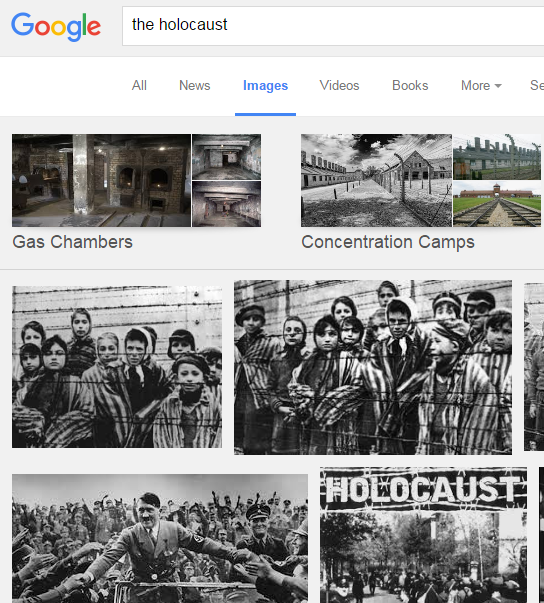
Most of you will probably use Google for your image search. Just type in your image search term. I typed in The Holocaust. 


A bunch of different images will pop up. Just click on one that you like. I clicked on the first image and a pop-up screen will show you the image more closely. 


Click on "View Image". In the address bar you will see a specific URL for the image. This is what you need for your image citation. It should end in either .jpg or .png. or .svg or some other file extension that indicates that it is an image file. 


If you're working in Microsoft Word, click on the References tab. You can select the Style of citation here (MLA, Chicago, APA, etc.). If you need to insert an in-tezt citation, you click on Insert Citation. If you want to start building a Bibliography, you can Insert Citation or Manage Sources.


You'll get a pop-up dialogue box like the one pictured below. I filled in the fields for the image that I picked. There are also online citation machines available as well, such as EasyBib (http://www.easybib.com/)


You got the results of your Enlightenment Thinkers Quiz today. I continued a lecture today on the French Revolution. You have a World Geography Test on Monday, February 13th. You can find the study guide for this test below.

Key dates for Social 20-1 students:

  • Chapter 2 Key Terms and Questions are due on February 13th
  • World Geography Test is on Monday, February 13th (please see study guide below)

This test will take place on Monday, February 13th. It is simply a country identification test. You will be given a world map with certain countries identified and you need to be able to write out what country it is. Here are the countries that may appear on the test:
  • any of the EU countries (there are 28 countries in the EU, a map of the EU is in your textbook on page 265, but it's out of date, it says that there's 27 countries in the EU. I'm not even talking about Brexit here...)
  • any of the NATO countries (there's some overlap here with the EU, but not all EU countries are members of NATO)
  • any of the G8 (G7) countries: Canada, France, Germany, Italy, Japan, Russia, the United States, and the United Kingdom
  • full members of MERCOSUR: Argentina, Brazil, Paraguay, Uruguay and other associate members or countries that are achieving membership in MERCOSUR, such as: Venezuela, Bolivia, Peru, Colombia, Ecuador
  • to ask you to know ALL of the countries in the African Union would be cruel, so we'll focus on countries that came up last year or will likely be in the news this year: Chad, Democratic Republic of the Congo, Egypt, Ethiopia, Kenya, Libya, Nigeria, Rwanda, Sierra Leone, Somalia, South Africa, Sudan, Zimbabwe
  • other very important countries that will be in the news this year, or that we'll be talking about, or get mentioned in your textbook: Cuba, Mexico, Jamaica, Serbia, Georgia, China,
    India, Myanmar, Australia, New Zealand, Indonesia, Pakistan, Afghanistan, Iran, Iraq,
    Israel
  • **BIG HINT: if a country is a member of a few of these international organizations then there's a STRONG possibility that they will be on the test!!**


Friday, February 26, 2016

February 26


You wrote your Paper 2 on the origins of the Cold War today in class. Enjoy your weekend!


You had a work period today to work on your Chapter 5 Key Terms and Questions. I will be doing a homework check on these on Monday. Also, your Illustrated Concept Map is due on Monday, February 29th. On Wednesday, March 2nd you will be writing your Chapter 3-4 Test, you can find the study guide below.

  • Know the key terms from Chapter 3-4
  • Be able to answer the Questions for Inquiry in Chapters 3-4 (they appear on p.49, p.53, p.58, p.73, p.80)
  • Know relevant case studies from Chapters 3-4: the Francophones, the Aborigines and the Lubicon, as well as other relevant examples related to assimilation, marginalization, accommodation and integration


I did a homework check on the "Philosophies of Industrialism" today. We then did a review of some of the economic concepts that I've taught to you this week, such as the basic economic systems and economic values, the boom and bust cycle, and the demand-side economics approach to the various stages of the business cycle. I also had you read, highlight, and annotate the notes from the Social 30-1 workbooks on the Keynes' economic theory. Have a great weekend!

Wednesday, February 24, 2016

February 24


We had another day of TOK presentations today. We are back on schedule for tomorrow's presentations (which we will start during Tutorial) thanks to the History group of Yanchen, Yu Ming, and Akhil staying into their lunch break to present. Please remember that you have a Paper 2 on Friday on the origins of the Cold War. Visit the wiki for articles on historiography on this topic, as well as historiography on the Korean War.

We finished watching "Bend It Like Beckham" today in class. You had some time to finish off the questions/charts in the film study booklet. I'll be taking this booklet in tomorrow for homework check completion marks. Please remember that your Illustrated Concept Map is due on Monday, February 29th. Please see what I've posted below on using APA to cite the sources that you use. Also, please remember that you're writing your Chapter 3-4 Test next Wednesday (March 2nd), and you can find the study guide below. You're writing a Unit 1 WRA I (three source analysis) next Thursday, so I'll be teaching you how to write them tomorrow.

  • Know the key terms from Chapter 3-4
  • Be able to answer the Questions for Inquiry in Chapters 3-4 (they appear on p.49, p.53, p.58, p.73, p.80)
  • Know relevant case studies from Chapters 3-4: the Francophones, the Aborigines and the Lubicon, as well as other relevant examples related to assimilation, marginalization, accommodation and integration
This should help Social 10-1 students who are working on their Illustrated Concept Map Assignments...


Most of you will probably use Google for your image search. Just type in your image search term.


A bunch of different images will pop up. Just click on one that you like. Go to the website where the image is hosted.


Right click on the image and then click on "Properties" and then you'll get the address of the image.


The pop up dialogue box will look something like this.


This is where it's nice to have either Microsoft Word 2007 or later because it has a built-in reference tab that makes it easy to cite your sources. Click on the References tab, make sure it is set to APA. If you click on Insert Citation or Bibliography, you'll get a pop up that will look something like this. I've put in the information for the image that I used in this example.


Today was a work period in Social 30-1. You had the period to work on a couple of items that are due for homework. The first assignment is due tomorrow, and it's called "The Philosophies of Industrialism". You were to read, highlight, and answer the questions for this activity which can be found in your blue Social 30-1 workbooks on pages 26-44. Also, if you finished this off in class, you could have start working on your Chapter 4 Key Terms and Questions, these aren't due until Wednesday, March 2nd.


Thursday, February 18, 2016

February 18


We covered a lot of territory today in class, since we looked at the Truman administration (foreign and domestic policy), with a little bit of overlap in the Korean War between the Truman and Eisenhower administration. We also looked at the Korean War (1950-1953) again by watching a short video called "Crisis in Korea". I gave you a one page handout on the Korean War, and I STRONGLY recommend that you check out the Korean War notes on the wiki on the Cold War page. Also, check out the historiography on the Korean War, and on the origins of the Cold War itself (also on the same wiki page). Please remember that next Friday (February 26th) that you have a Paper 2 on the origins of the Cold War. Start preparing for this!

Also, don't forget that TOK presentations, and the Greatest Canadian Prime Minister of the 20th Century presentations will run on February 23rd-25th.


You wrote your Unit 1 WRA II Essay in class today. It usually takes me a couple of weeks to mark a class set of essays, so please be patient.


I gave you time to work on your Chapter 3 Key Terms and Questions today in class, since it seemed like you needed it. These key terms and questions are due tomorrow. Your Chapter 4 Key Terms and Questions are due on Monday, February 22nd. You are writing your Chapter 1-2 Test on Tuesday, February 23rd (please see the study guide below).

Don't forget that your Illustrated Concept Map is due on February 29th.


  1. Study your Chapter 1 and 2 Key Terms
  2. Review the case studies from the textbook in Chapters 1 and 2, specifically the Metis, the Francophones, the Hmong, and the Maori
  3. Be prepared to answer any of the "Questions for Inquiry" from Chapters 1 and 2 (they are on the following pages: p.9, p.14, p.20, p.29, p.35, p.39):
  • How does globalization affect economic aspects of people's lives?
  • How does globalization affect social aspects of people's lives?
  • How does globalization affect political aspects of people's lives?
  • What is the difference between individual and collective identity?
  • What is the relationship between identity and language?
  • How does cultural exchange shape people's identities?
4. Make sure that you can answer the questions from the Unit 1 Worksheet for these chapters.


Thursday, February 27, 2014

February 27


Your "Seeds of Change" assignments were due today. You also did your Thirteen Colonies presentation, or at least most of you did. We'll finish off these presentations tomorrow, along with a current events quiz.

We finished watching "Bend it Like Beckham" today. Your film study is due tomorrow. Your Illustrated Concept Map was due today. Please remember that your Chapter 3-4 Test is on Wednesday, March 5th, please see the study guide below.


This test will be on Wednesday, March 5th.
  • Know the key terms from Chapter 3-4
  • Be able to answer the Questions for Inquiry in Chapters 3-4 (they appear on p.49, p.53, p.58, p.73, p.80)
  • Know relevant case studies from Chapters 3-4: the Francophones, the Aborigines and the Lubicon, as well as other relevant examples related to assimilation, marginalization, accommodation and integration


We finished off the TOK presentations today. We'll jump back into our IB History coursework tomorrow by getting back into the Vietnam War.

Wednesday, February 26, 2014

February 26


You wrote your Chapter 1-2 Test today. I'm really sorry about the mistake on the word ladder section, this probably caused some confusion, I have since fixed it on my master copy of the test. Please remember that your Illustrated Concept Map is due tomorrow. One week from today you'll be writing your Chapter 3-4 Test, please see the study guide below.

This test will be on Wednesday, March 5th.
  • Know the key terms from Chapter 3-4
  • Be able to answer the Questions for Inquiry in Chapters 3-4 (they appear on p.49, p.53, p.58, p.73, p.80)
  • Know relevant case studies from Chapters 3-4: the Francophones, the Aborigines and the Lubicon, as well as other relevant examples related to assimilation, marginalization, accommodation and integration

You wrote your Enlightenment Thinkers Quiz today, and got the results back. We watched an excerpt from the History Television series "America: The Story of Us". We watched right up to the start of the American Revolution. We'll revisit this film next week in all likelihood. Your "Seeds of Change" assignment is due tomorrow, and we'll also be doing the Thirteen Colonies presentations tomorrow and Friday. Don't forget that you have your first current events quiz on Friday, keep posting current events on the wiki.

This was day two of the TOK group presentations. We'll finish off the TOK presentations tomorrow.

Wednesday, February 12, 2014

February 12


I returned some homework assignments and your global connections map as well. I gave you the Illustrated Concept Map assignment. I really recommend that you work with a partner for this assignment. You had the rest of the class period to work with your partner doing some initial thinking about how you would organize your concept maps. I have posted the rubric (marking guide) for this assignment on the Social 10-1 wiki under Unit 1 Assignments. The Illustrated Concept Map is due on February 27th. Your Chapter 2 Key Terms and Questions are due on Wednesday, February 19th.  


This test will take place on Wednesday, February 19th. It is simply a country identification test. You will be given a world map with certain countries identified by number and you need to be able to write out what country it is on the answer sheet.

Here are the countries that may appear on the test:
  • any of the EU countries (there are 28 countries in the EU, your textbook is out of date. Croatia joined the EU in July 2013)
  • any of the NATO countries (there's some overlap here with the EU, but not all EU countries are members of NATO)
  • any of the G8 countries: Canada, France, Germany, Italy, Japan, Russia, the United States, and the United Kingdom
  • full members of MERCOSUR: Argentina, Brazil, Paraguay, Uruguay and other associate members or countries that are achieving membership in MERCOSUR, such as: Venezuela, Bolivia, Peru, Colombia, Ecuador
  • to ask you to know ALL of the countries in the African Union would be cruel, so we'll focus on countries that came up last year or will likely be in the news this year: Chad, Democratic Republic of the Congo, Egypt, Ethiopia, Kenya, Libya, Nigeria, Rwanda, Sierra Leone, Somalia, South Africa, Sudan, Zimbabwe
  • other very important countries that will be in the news this year, or that we'll be talking about, or get mentioned in your textbook: Cuba, Mexico, Jamaica, Serbia, Georgia, China, India, Myanmar, Australia, New Zealand, Indonesia, Pakistan, Afghanistan, Iran, Iraq, Israel
  • **BIG HINT: if a country is a member of a few of these international organizations then there's a STRONG possibility that they will be on the test!!**


I showed you how to do an eLibrary search today, and how to access the Gale Virtual Reference Library. We then went down to the Blenheim Room to complete the IA planning sheet, to find a book that you could use for the IA as well. You must hand in your IA planning sheet on Wednesday, February 19th.

I went through a PowerPoint lecture on "The Korean War". You can find notes on the Korean War on the IB 30/35 wiki under the Cold War section. I also want you to check out Mr. Johnson's PowerPoint presentation on Harry S. Truman's domestic policy. I also showed you a short documentary from the Turning Points of History series called "Crisis in Korea". Next Friday (February 21st) you will be writing a Paper 2 on the origins of the Cold War. Please check the wiki for historiography on the causes/origins of the Cold War.